
The Hail Stopped in September. Is Your Denver Roof Ready for Snow?
Metro Denver gets a lot of hail. Most years, at least one summer storm drops ice on some part of the city, and neighborhoods in Aurora, Thornton, Westminster and Lakewood can look fine from the street while their roofs quietly lose granules, cracked shingles and dented vents.
The trouble is that hail damage rarely leaks right away. It shows up months later, often after the first heavy snow melts and refreezes on a weakened roof. Late fall is a smart time to take a closer look, before winter hides everything under white.
What hail damage actually looks like
You don’t need to climb on the roof to spot the early signs. Walk the yard with a pair of binoculars and look for:
- Dents on metal parts: gutters, downspouts, roof vents, chimney caps and window wraps. If soft metal is dented, the shingles took hits too.
- Granules in the gutters or at downspout outlets: a little is normal on an older roof; a heavy pile after a storm is not.
- Dark spots or bruises on shingles: places where granules were knocked off and the asphalt shows through.
- Cracked or split wood shakes on older homes in Englewood, Littleton or Wheat Ridge that still have them.
- Spatter marks on siding, fences, decks and the tops of AC units, which tell you which direction the storm came from.
Inside, check the attic on a sunny day. Light coming through, damp insulation or water stains on the roof deck are worth a professional visit.
Why winter makes small damage worse
Denver winters swing hard. A sunny 55-degree afternoon can follow a night in the teens, and that cycle repeats again and again. Snow melts on a warm roof, runs down toward the colder eaves and refreezes. Water that slips under a cracked shingle or a lifted edge freezes, expands and pries things open a little more each time.
That freeze-thaw cycle is also why ice dams form along the eaves of older bungalows and Denver Squares with limited attic insulation. A roof already weakened by hail has less margin when that ice backs up.
If you think you have a claim
Every policy is different, so read yours before you call anyone. A few general points that apply to most homeowners:
- Check your deadline. Many policies limit how long after a storm you can file. If you are not sure of the date of the storm that hit your area, your insurer or a local roofer can usually help you pin it down.
- Document first. Take dated photos of dented metal, damaged shingles, siding and anything else affected.
- Know your deductible. Some Colorado policies carry a separate wind and hail deductible, often a percentage of the home’s insured value. It is worth knowing the number before you start.
- Get an independent opinion. Having a local roofer you chose inspect the roof before or alongside the adjuster helps you understand what you are looking at.
This is general information, not legal, insurance or professional advice. Your policy and your insurer have the final word.
How to avoid storm chasers
After big hail years, out-of-town crews knock on doors across the metro area. Some do fine work. Others disappear before the warranty matters. Protect yourself:
- Ask for a local address, references from nearby neighborhoods and proof of insurance.
- Ask whether the company is licensed or registered with your city. Denver and many suburbs have their own contractor and permit rules, so check with your city’s building department.
- Be wary of anyone who wants a large payment up front or asks you to sign over insurance proceeds on the spot.
- Get more than one written estimate that spells out materials, tear-off, underlayment and cleanup.
If you are replacing, think about the next storm
Many Front Range homeowners choose impact-rated shingles (often labeled Class 4) when they reroof. Some insurers offer a discount for them, but terms vary, so ask your agent. Metal, synthetic shake and other products are also worth comparing. Ask each roofer about ventilation, ice and water underlayment at the eaves and valleys, and how the new roof will handle Denver’s intense high-altitude sun.
Line up the right help before spring
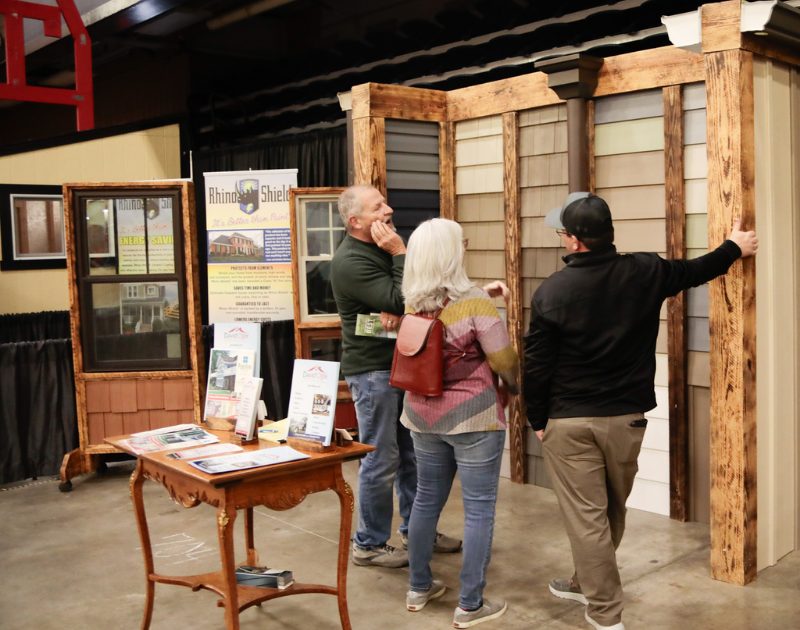
Roofers get busy as soon as the snow melts and the next hail season begins. Winter is a good time to collect photos, read your policy and start comparing options. Bring those photos, your roof’s approximate age and any adjuster paperwork when you talk to contractors. Being able to meet several roofing, gutter and siding companies in one place makes it much easier to compare their approaches side by side.
See it in person at the Denver Home & Remodeling Expo
October 15–17, 2027 · National Western Center, Livestock Center (LVC), North Hall, 4850 National Western Dr, Denver · Free admission. Meet roofers, remodelers, landscapers and other local pros from across the metro area in one visit. Get free tickets
Own a home improvement business?
Meet Denver-area homeowners face to face at the Denver Home & Remodeling Expo, October 15–17, 2027. Reserve your booth online at NationwideExpos.com or call (800) 201-HOME.